Washington
Rain, Rivers, and Evergreen Lessons
My name is Kendall Holsomback, and I’m passionate about protecting the places we live, work, and play. Through my studies in sustainability and hands-on community engagement, I’ve learned that environmental stewardship is rooted in everyday actions and shared responsibility.
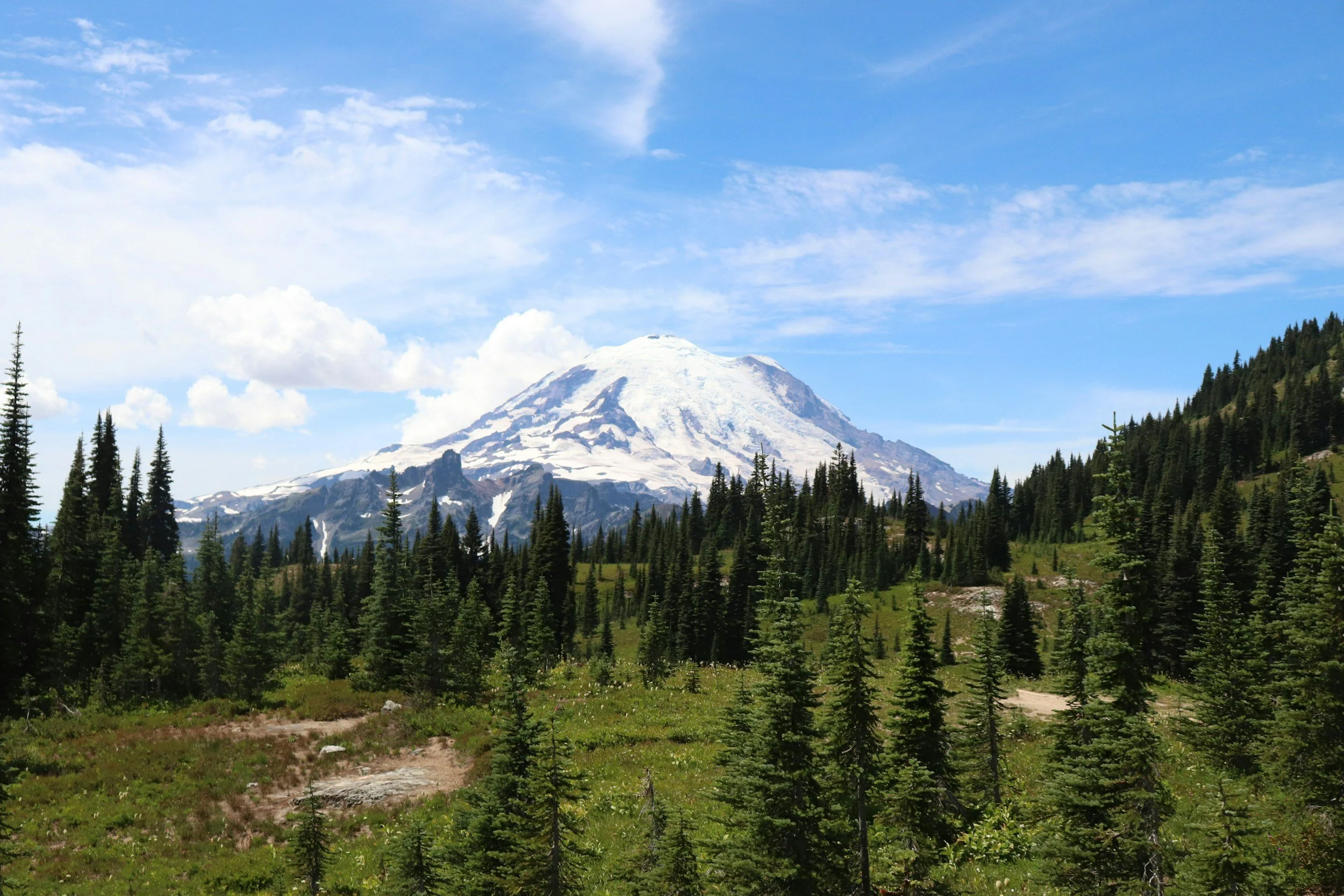
Visiting friends in Washington and exploring Mt. Rainier National Park revealed a lush, rain-soaked world where water shapes everything. Glacier-fed rivers, mossy forests, and rugged coastlines are breathtaking but vulnerable. Even small items of trash can travel far, disrupting ecosystems and threatening wildlife. Walking through the forest or standing on riverbanks made me realize that stewardship is about awareness. Small actions, such as leaving a snack wrapper behind or tossing a bottle, can ripple outward. Washington reminded me that caring for nature requires both attention and action and that even small interventions matter.
Environmental Challenges
Marine debris accumulates along the Pacific and Puget Sound coastlines, threatening marine species
Trail litter in national parks and forested areas damages habitats and ecosystems
Stormwater pollution enters rivers, carrying trash and chemicals from urban areas
Overuse of high-traffic trails contributes to erosion and vegetation loss
Post-wildfire erosion damages trails, forests, and riverbanks
Cleanup Spots
Puget Sound shorelines and estuaries benefit from removal of plastics and marine debris
Mt. Rainier and North Cascades trailheads require cleanup of snack wrappers and microtrash left by hikers
River corridors, including the Skagit, Puyallup, and Nisqually Rivers, accumulate storm debris that must be removed
Urban parks in Seattle, Tacoma, and Bellingham need ongoing litter collection to engage communities in stewardship
Dispersed camping and forest pull-off areas benefit from debris removal from overnight visitors