New York
Coasts, Cities, and Constant Motion
My name is Kendall Holsomback, and I’m passionate about protecting the places we live, work, and play. Through my studies in sustainability and hands-on community engagement, I’ve learned that environmental stewardship is rooted in everyday actions and shared responsibility.
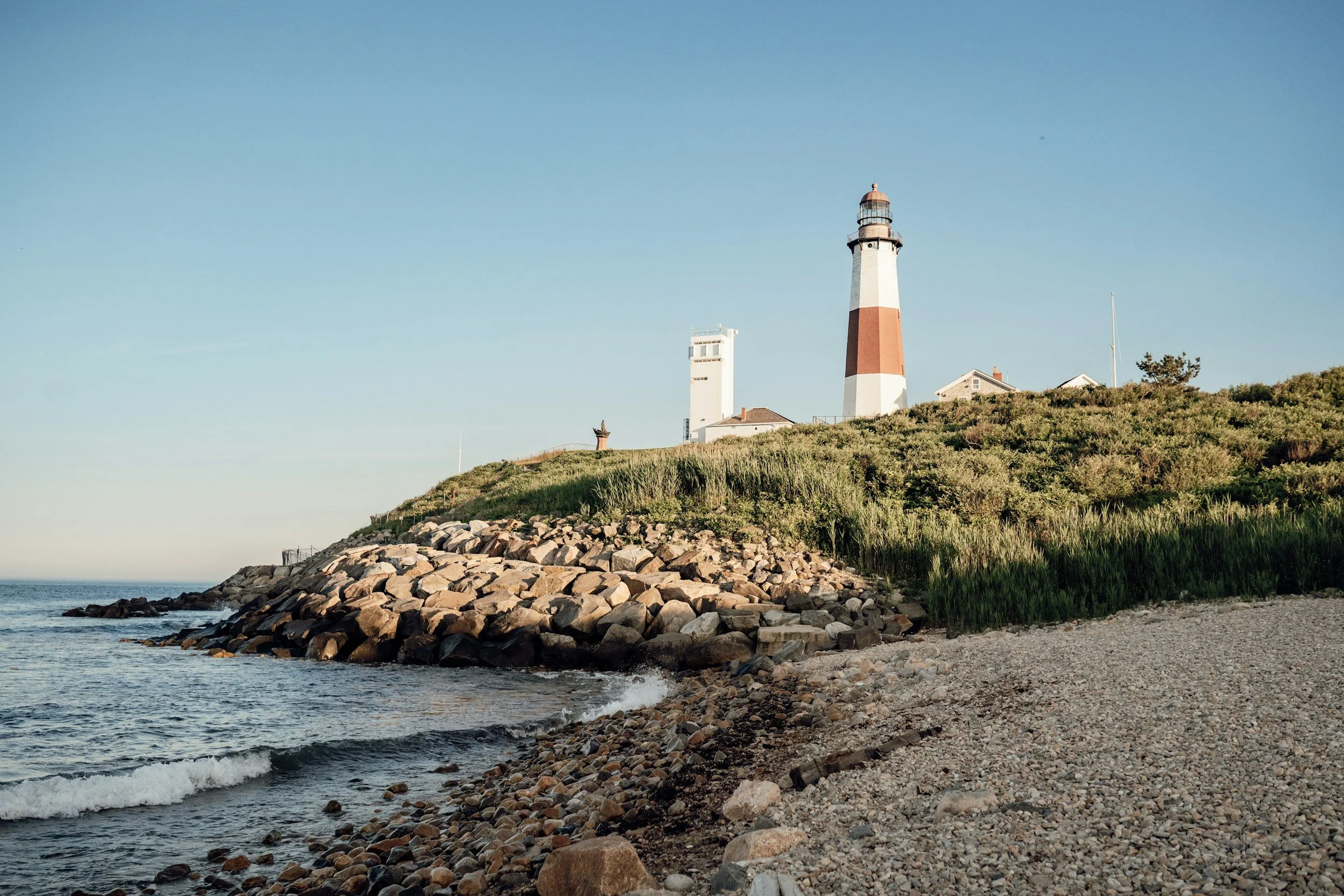
Visiting New York, from Montauk to the city, taught me how deeply urban life and natural systems are connected. Trash left on city streets flows into rivers, beaches erode under heavy visitor use, and parks and trails provide essential green space in a bustling state. Spending time with my sister and observing her school and city life highlighted how community and environmental health are intertwined. Even small actions, like picking up a piece of trash or clearing a riverbank, ripple outward to benefit wildlife and people. New York showed me that stewardship can be personal, communal, and meaningful, even in the busiest, most urbanized places.
Environmental Challenges
Coastal debris along Long Island and Montauk impacts wildlife and ecosystems
Urban litter and stormwater runoff in New York City affect water quality and public health
Trail overuse in state parks damages natural landscapes and ecosystems
Microplastics and pollution accumulate in the Hudson River, affecting aquatic life
Heavy human activity puts pressure on wildlife and fragile habitats
Cleanup Spots
Long Island beaches and the Montauk coastline require removal of plastics, bottles, and debris
Hudson River waterfronts benefit from microtrash collection along the water and riverbanks
New York City parks and greenways need debris removal, including cigarette butts and small plastics
Adirondack and Catskill trails require cleanup to prevent erosion and preserve natural areas
Urban waterfronts in Buffalo, Rochester, and Syracuse need attention to keep parks and rivers safe and clean