ORANGE BUTTS
wELCOME TO THE ORANGE BUTTS PROJECT
we begin with a pandemic story
CONCEPT Origination: There was an Amazon truck delivering to our neighborhood. The driver….
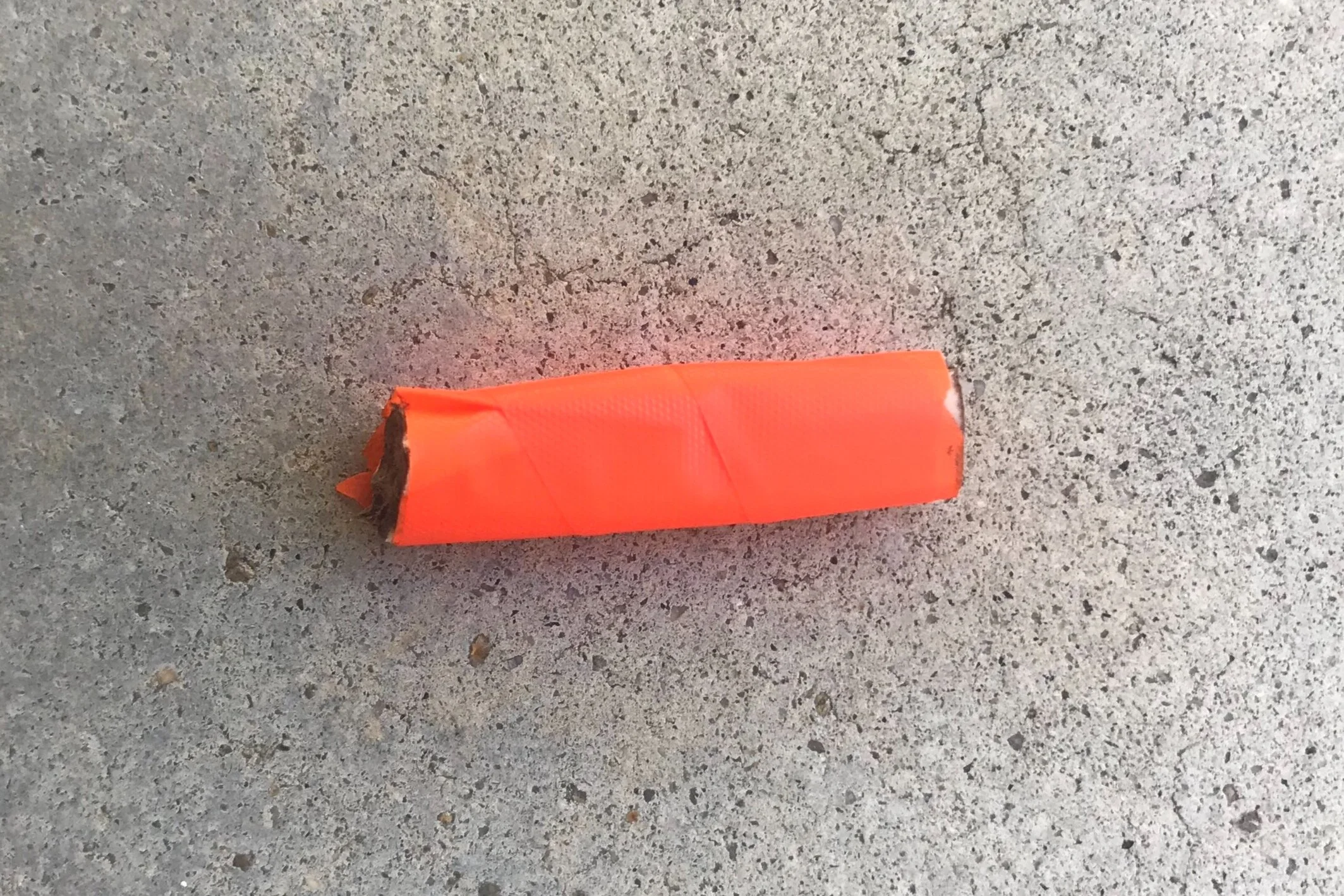

We begin with a Pandemic story
There was an Amazon truck delivering packages to our neighborhood. The driver….
Here we go…the pandemic was in full swing and everyone was staying home except to purchase essentials. All the parks were shut down. Pulling out of our garage, we saw an Amazon Sprinter parked just down the street. As we went around the corner, my wife saw something being thrown out the window. I used to get mad at people and would confront them when I saw them littering. A while back, I decided that wasn’t effective (I think it took some time to come to that conclusion though). Since COVID-19 was also raging away, thought it would be an especially bad idea to start yelling at someone about littering.
After returning from the store, I walked down the street, mask covering my face, and picked up an orange peel. This would be a great time to have an a-ha moment….it wasn't to be for another couple of day and realized that my wife saw both movement and color coming out of the Amazon truck. A few days later, I went out to pick up new litter on the local streets. Nothing else to do and my regular hiking trails were shut down.
Eureka! Was my idea any good? I asked “would an orange cigarette butt decrease cigarette littering and would the same color make it easier to find during a cleanup?”
Naturally, seemed like a good idea to find out if this was true and contacted two experts in marine animal color perception located out of Australia and Tasmania. Easy enough.
Well, turns out that there shouldn’t be any greater harm to marine life and we were off. Well, after a great deal of research, we have decided it’s better to legislate that cigarette filters shouldn’t be made out of plastic (cellulose acetate is 96% plastic) especially since they don’t actually filter out all the nasty stuff.
But here’s the research and a bit of fun reading about the history. would love your comments or ideas.
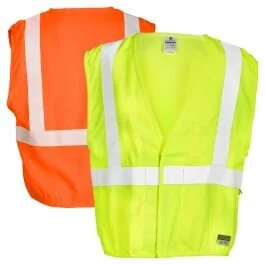
THE COLOR: Safety Orange
WHAT IS A CIGARETTE FILTER AND WHAT IS IT MADE OF? Cigarette filters are a man made plastic called cellulose acetate. It does not biodegrade.
DO CIGARETTE FILTERS ACTUALLY FILTER BAD STUFF? In a word…No. The Teague cigarette filter used in almost every cigarette today was devised to provide the appearance of a “safe” cigarette. It’s not. The color changes are artificial. The filter has been chemically manipulated to produce discolorations in the filter during smoking. More info here.
“Filters became a marketing tool, designed to keep and recruit smokers…”
CELLULOSE ACETATE - 95% plastic: If cigarette butts are made of cellulose, then why don’t they biodegrade? Cellulose Acetate is 95% plastic with less than 5% rayon (not biodegradable) or paper. Most of the plastics in the 4.5 TRILLION cigarette butts littered ANNUALLY are still in the environment (not in landfills). Cigarette butts photodegrade slowly into microplastics if they are exposed to sunlight over a period of 5-20 years. Degradation into microplastics and constituent elements occurs quickly in water. Most cigarette butts are covered by layers of dirt or are deep underwater so NEVER photodegrade. Oops…used filters are toxic and leach their toxins into water and dirt. They just get smaller and remain toxic.
PHOTODEGRADATION AND MICROPLASTICS: Butts photodegrade over a period of about 5-20 years when constantly exposed to sunlight. Most of the tiny pieces of the cigarette butt wash away as microplastics. Microplastics are now found in ocean water at concentrations between 5-7 MILLION pieces per cubic meter. This is everywhere in our oceans - top to bottom, left to right. They are in water, food, and the air. They are so small, you breathe, eat, and drink them every day. Microplastics are NOT removed by most filtration systems - city, commercial or household. Microplastics are dangerous for humans and animals. YOU probably ingest over 100,000 tiny pieces of microplastics per DAY. About a credit card or two per year. Microplastics are endocrine disrupters that change human reproduction and cause obesity.
COLORS AND ALTERNATES: Hex: #FF7900. CMYK: 0% cyan, 59.6% magenta, 100% yellow and 0% black. Hue angle of 24.2 degrees, a saturation of 100% and a lightness of 50%. Wikipedia Page for Safety Orange
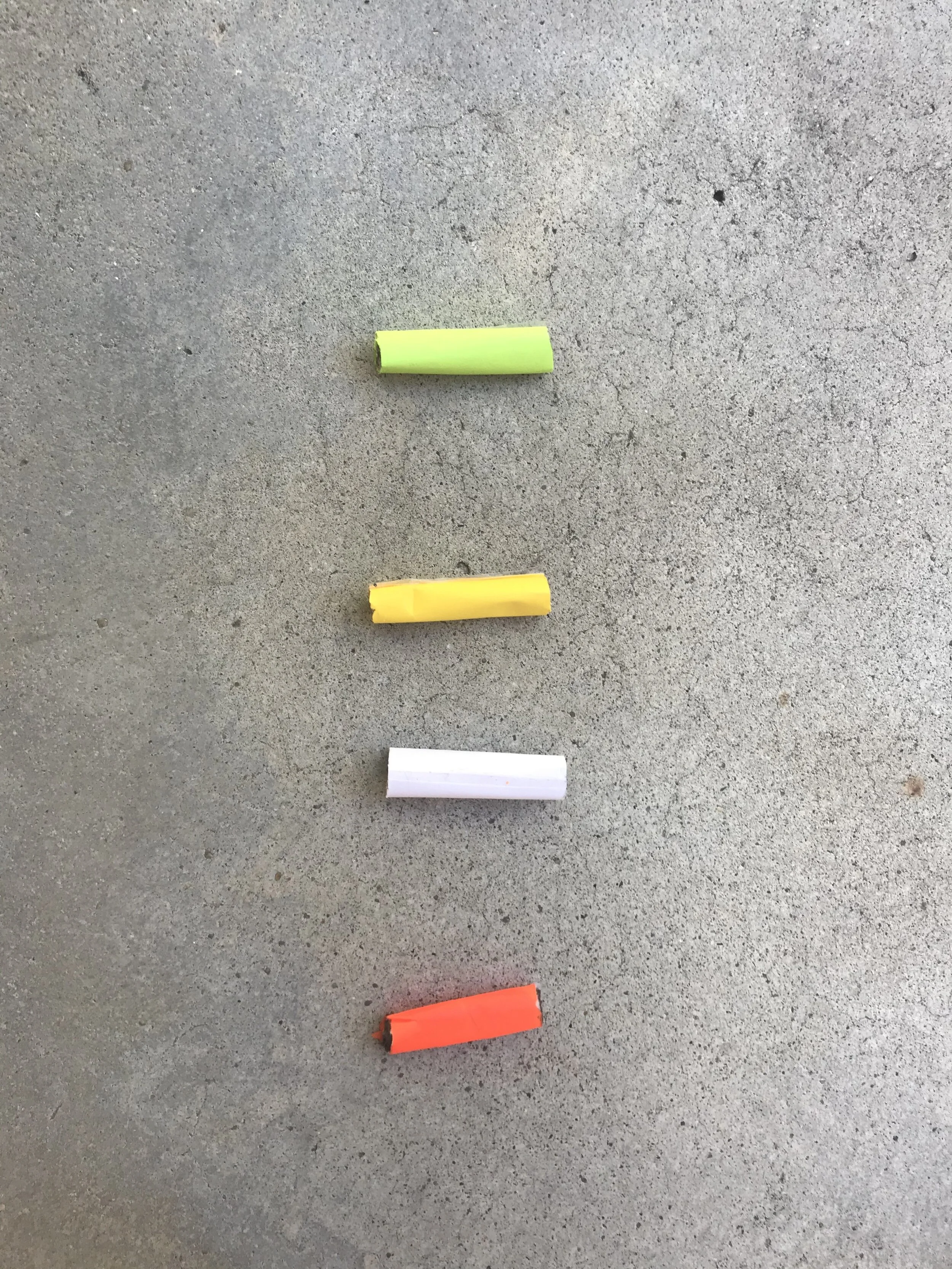
In countries where the color orange has a positive meaning, is culturally important, or would be contrary to local social values, an alternate fluorescent color indicating danger would be selected. An example may be countries that are predominately Buddhist.
BENEFITS: Reduced incidence of smoking, reduced littering, increased visibility of littered butts.
POTENTIAL PITFALLS: Long term project will require government approval. May be simpler to either ban cigarettes entirely or ban all filters containing plastics.
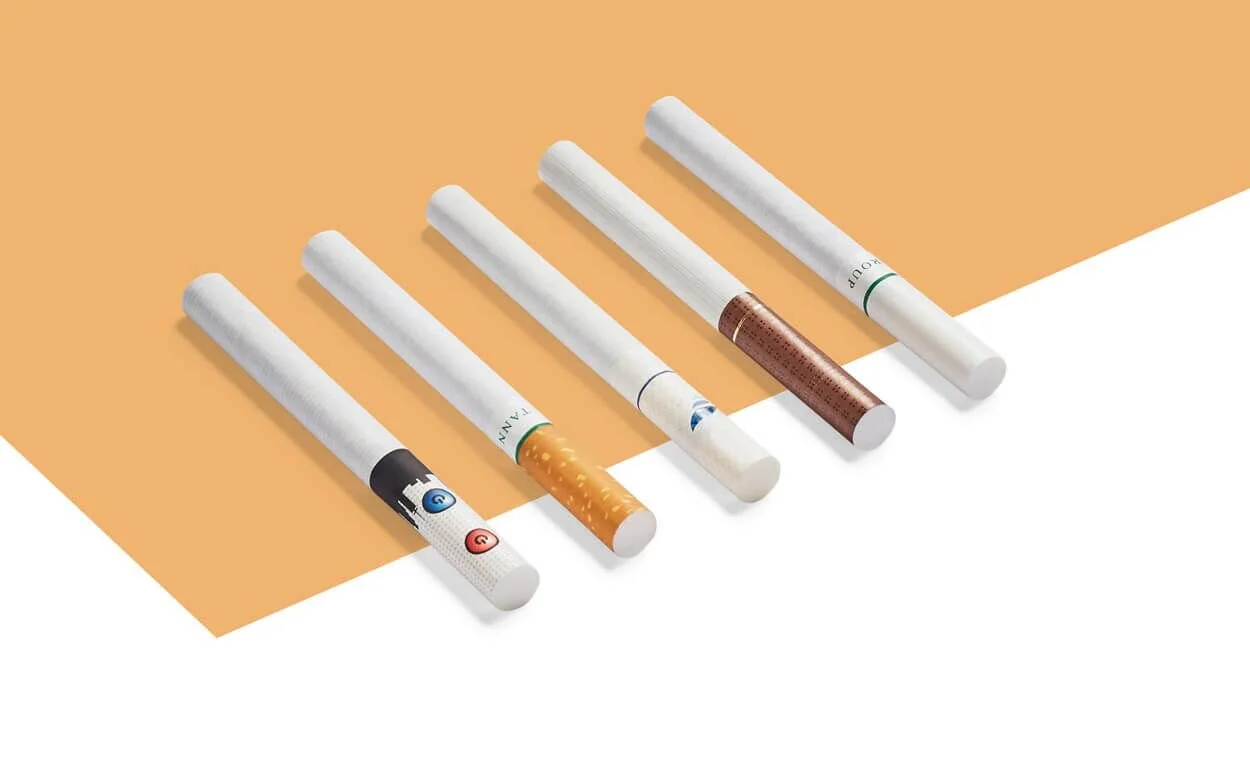
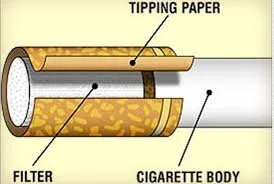
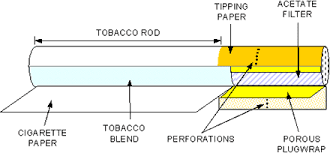
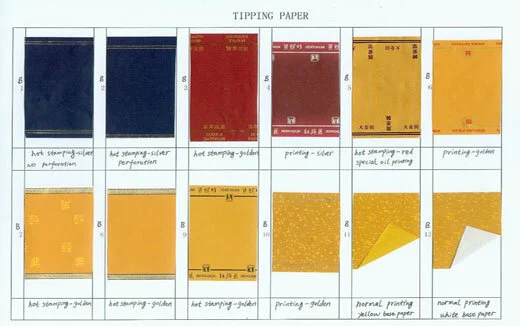
WILL THIS BE EASY? Nope. The good news is that it will NOT require anything other than tobacco manufacturers to order tipping paper in the required color. Tipping paper manufacturers already produce tipping paper in any CMYK option. As the “new standard,” the tipping paper is estimated to add zero to the cost of production. Simply pop in the new color paper and all done.
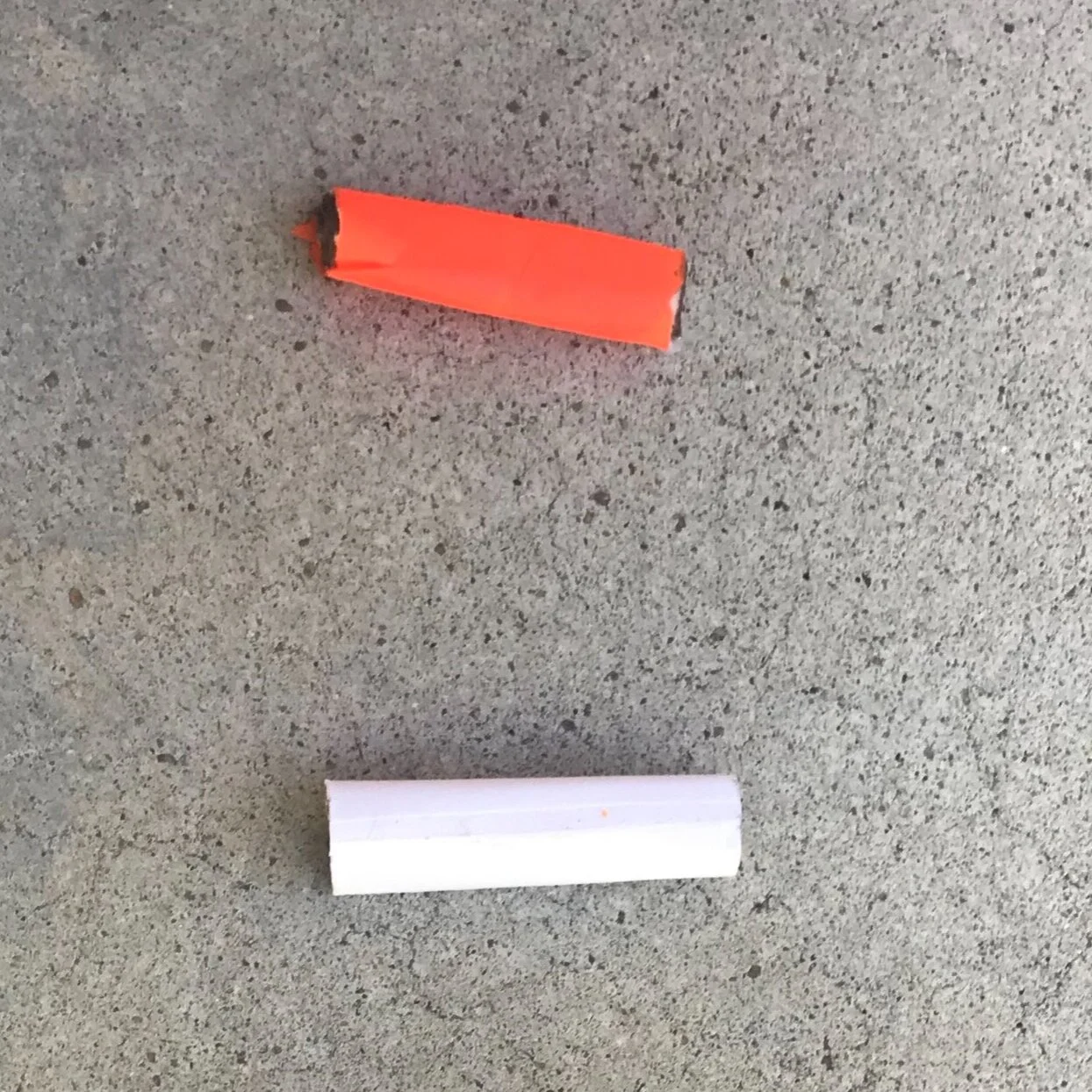
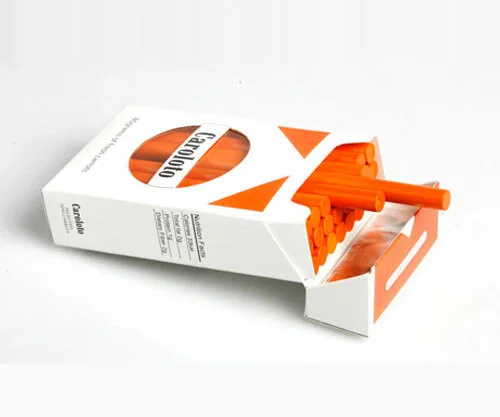
IMPLEMENTATION: Resolved that cigarette tipping paper for commercially produced cigarettes in the United States and countries around the world be fluorescent orange (#FF7900) or an alternate fluorescent color (see images below). Choice of one color per country. Implementation of education campaigns to introduce and encourage proper disposal of tobacco related rubbish.
STATUS: On Hold. This is a long term project will requiring detailed studies, consumer, industry input and LOT’S of government approvals. Let’s talk!
RESEARCH QUESTIONS/ANSWERS
Will changing colors cause harm to existing animals? Unlikely, researchers in Australia familiar with color perception and animal behavior related to litter have indicated they know of no adverse effects of changing filter tipping paper to Safety Orange. Further research is required to confirm.
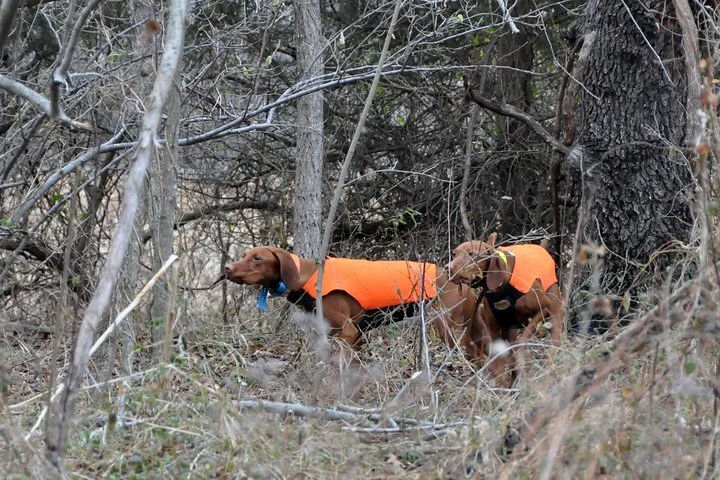
Is Fluorescent Safety Orange the brightest color? No. The brightest color perceived by human vision is a fluorescent green. In the natural outdoor environment however, Safety Orange will be perceived best by human vision.
How about changing the color of the plastic filter too? Good idea but will require much more extensive research to implement. Further research is desired.
Does seeing cigarette butts littered have an effect on the smoking rate? Further research is needed.
Does seeing cigarette butts littered have an adverse effect on littering resulting in increased littering? Further research is needed.
How many cigarettes are in the environment after accounting for routine cleanup (by maintenance workers), volunteer cleanups, and degradation? Our best guess based upon a 10 year lifespan (likely low) and a cleanup rate of 15%.
5,100 cigarette butts PER PERSON in the outdoors.
38,250,000,000,000 cigarettes butts outdoors total.
Each Cigarette butt contains about 12,000 individual fibers or roughly 4,590,000,000,000,000,000 individual fibers currently in the environment. Each individual fiber will further photodegrade or be abraded into hundreds to thousands of microplastics.
**There are more cigarette filter pieces currently in the environment than grains of sand on earth. Possibly more than the number of stars.**
Of course, these are our best estimates based upon the current research. Email us if you have a better estimate.
Will changing the tipping paper color reduce incidence of smoking? Probably. White and cork colors are used now and represent a non-threatening appearance upon opening the package. Changing color to Safety Orange will likely reduce smoking. Industry research is limited but tipping paper manufacturers indicate the following: “Tipping paper is also the only part of the cigarette which is in direct contact with the lips and fingers of consumers and the first visible item after opening the cigarette pack and removing the tear-off flap of the innerliner. Tipping Paper is thus an important communication and interaction tool between the article and the consumer through various surface properties.” MM Packaging
Where would Safety Orange be considered a poor color choice because of cultural values? Further research needed.
Would extending concept to single use plastics be viable?
Cigarette Manufacturing Process. Tipping paper added at 1 minute 46 seconds.
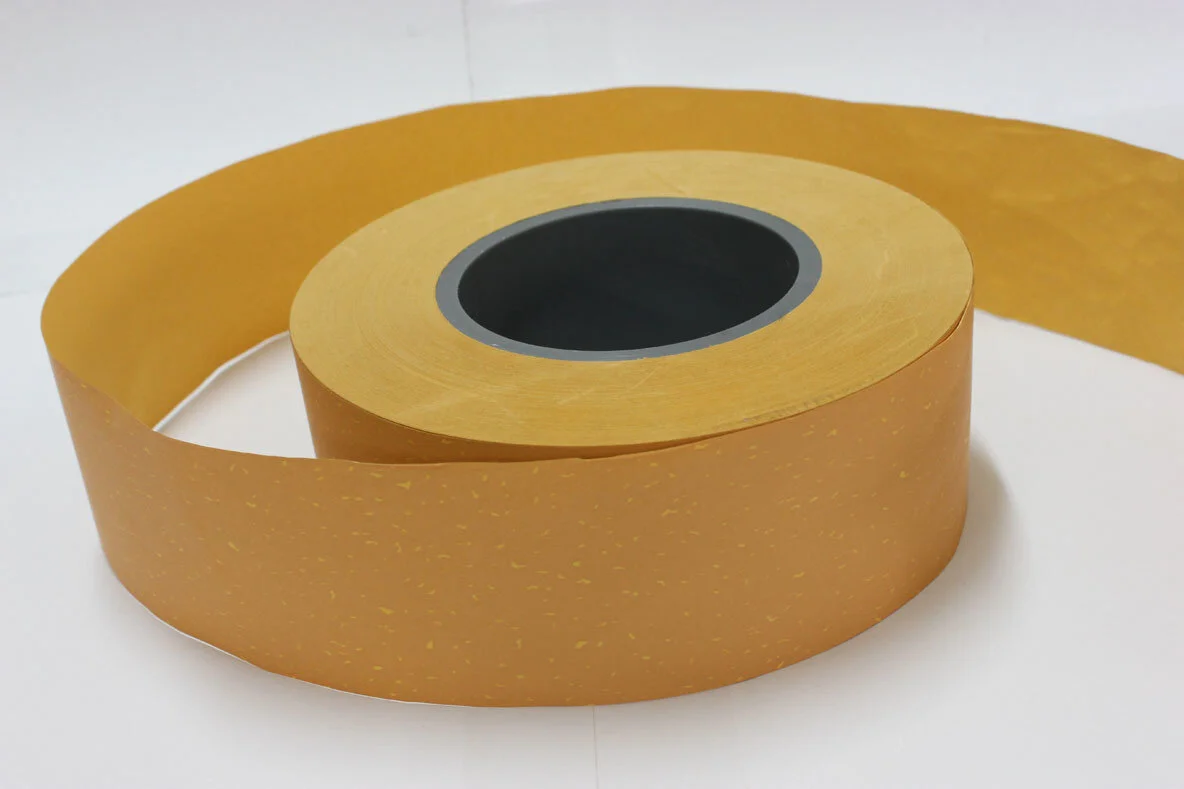
Cigarette tipping paper in commercial size rolls.
Cigarette manufacturing process
Science 101 - Plastics
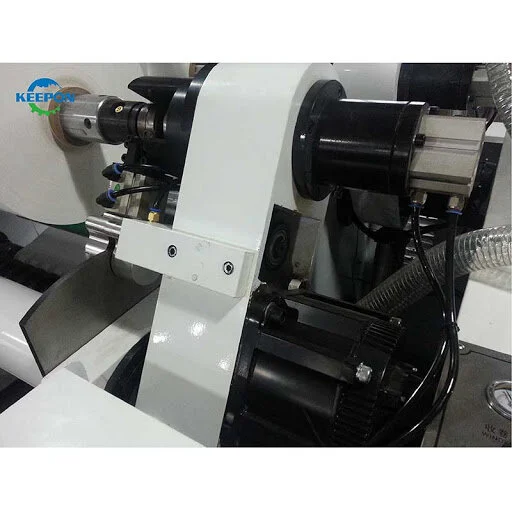
Tipping Paper Slitting Machine
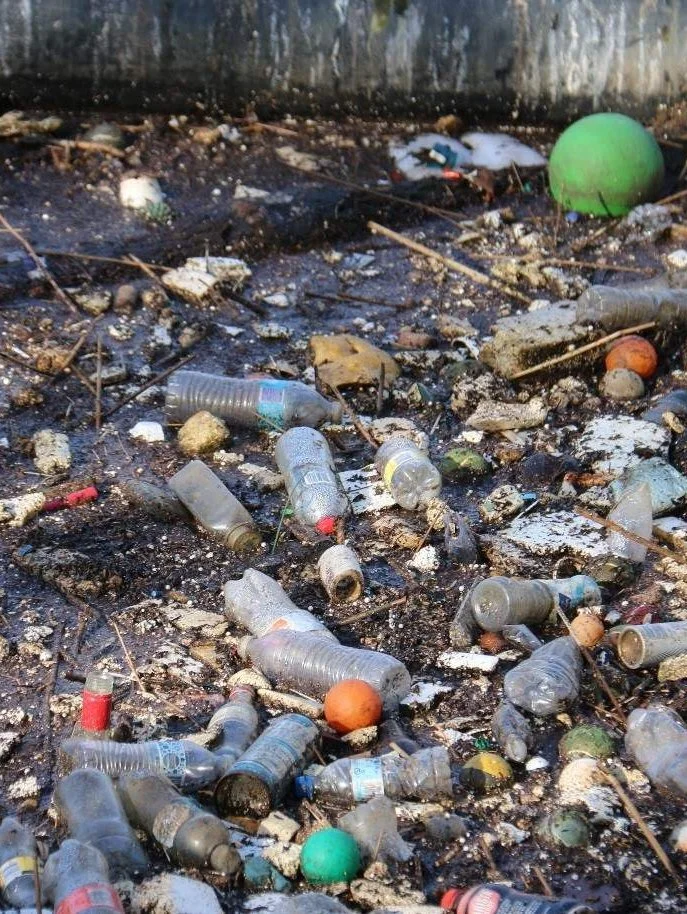



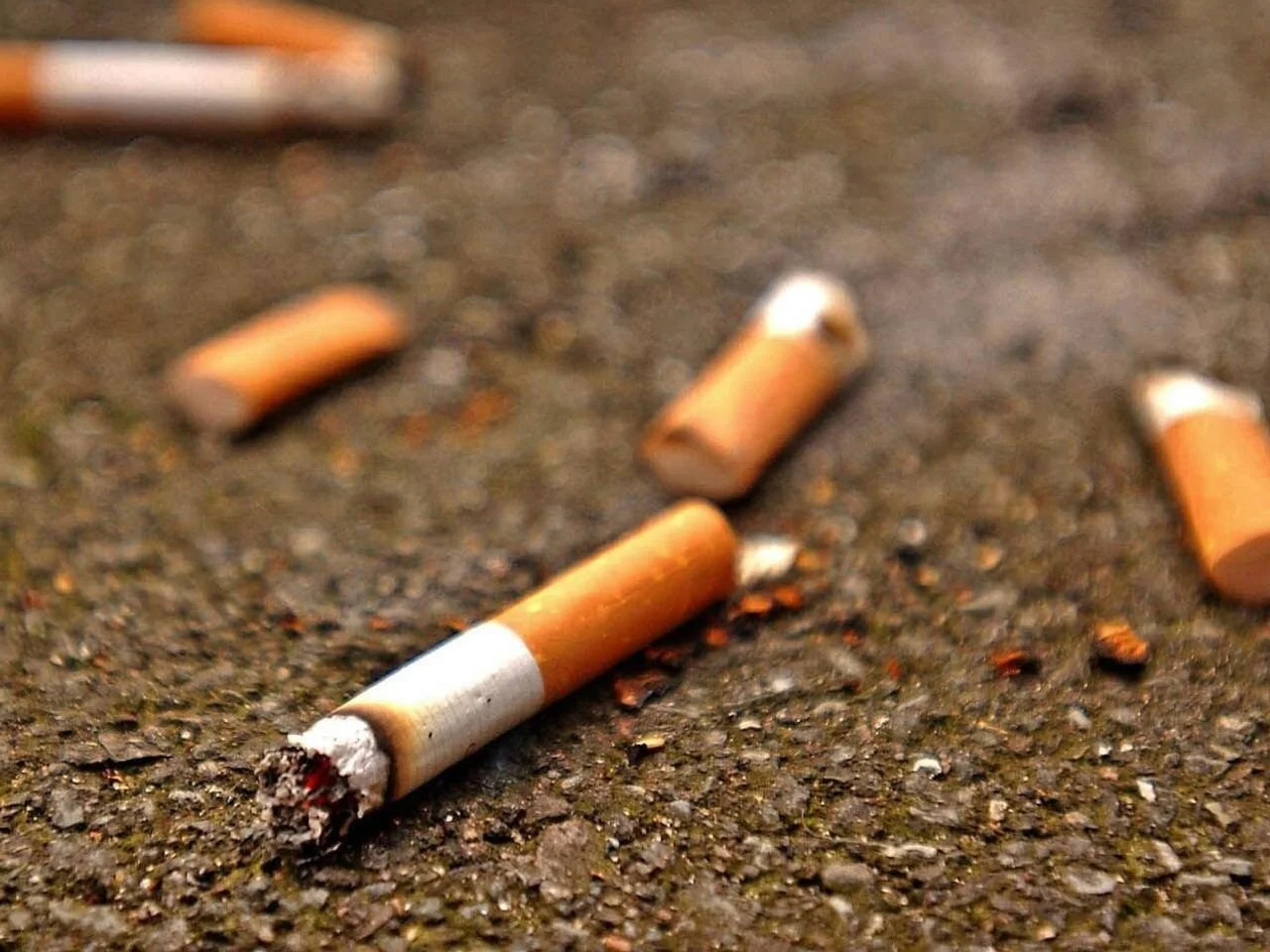
4.5 TRILLION LITTERED ANNUALLY.

And it will be clean. How will you contribute?